



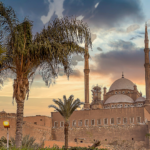


The Saladin Citadel: The Medieval Heart of Cairo
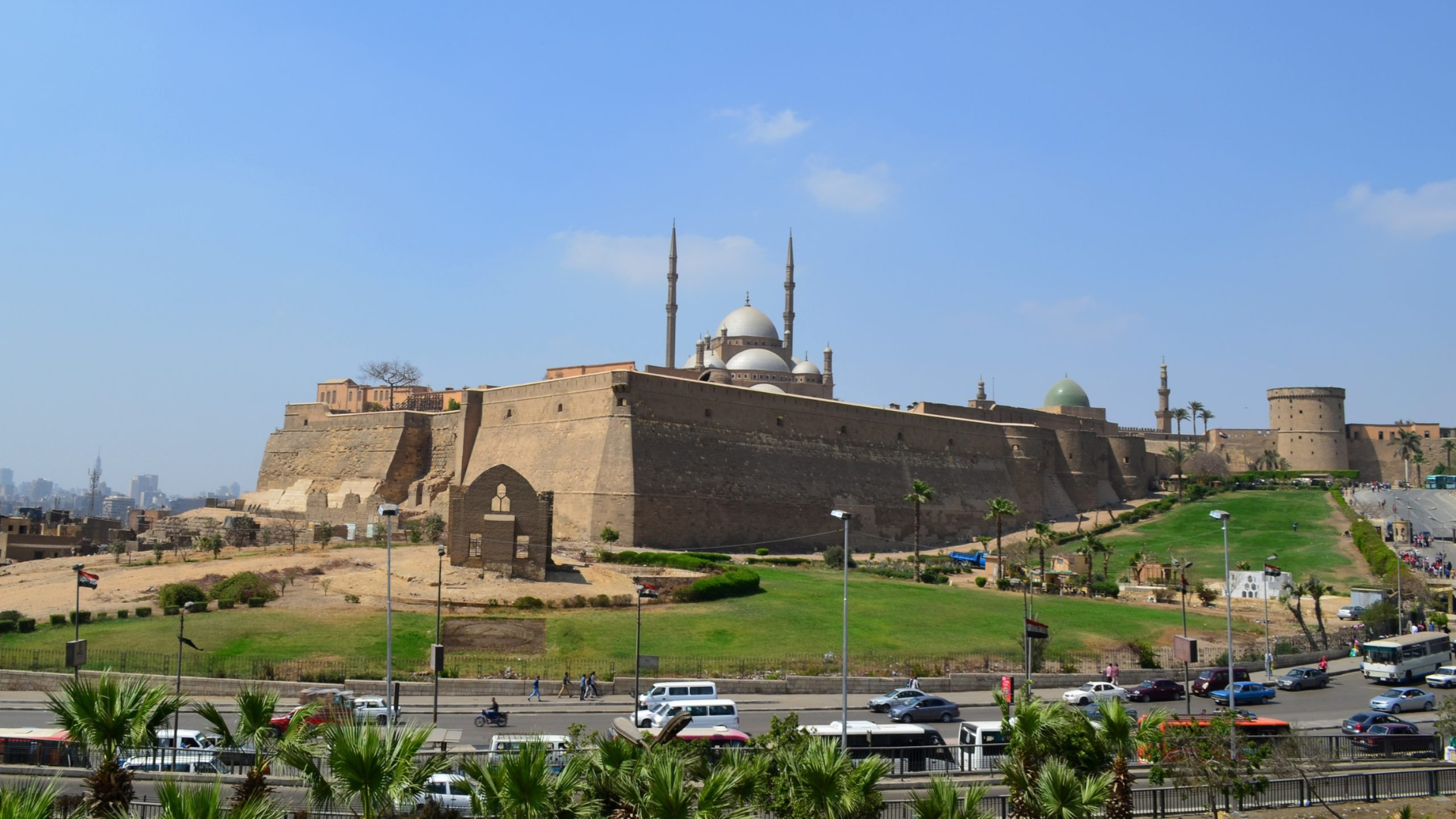
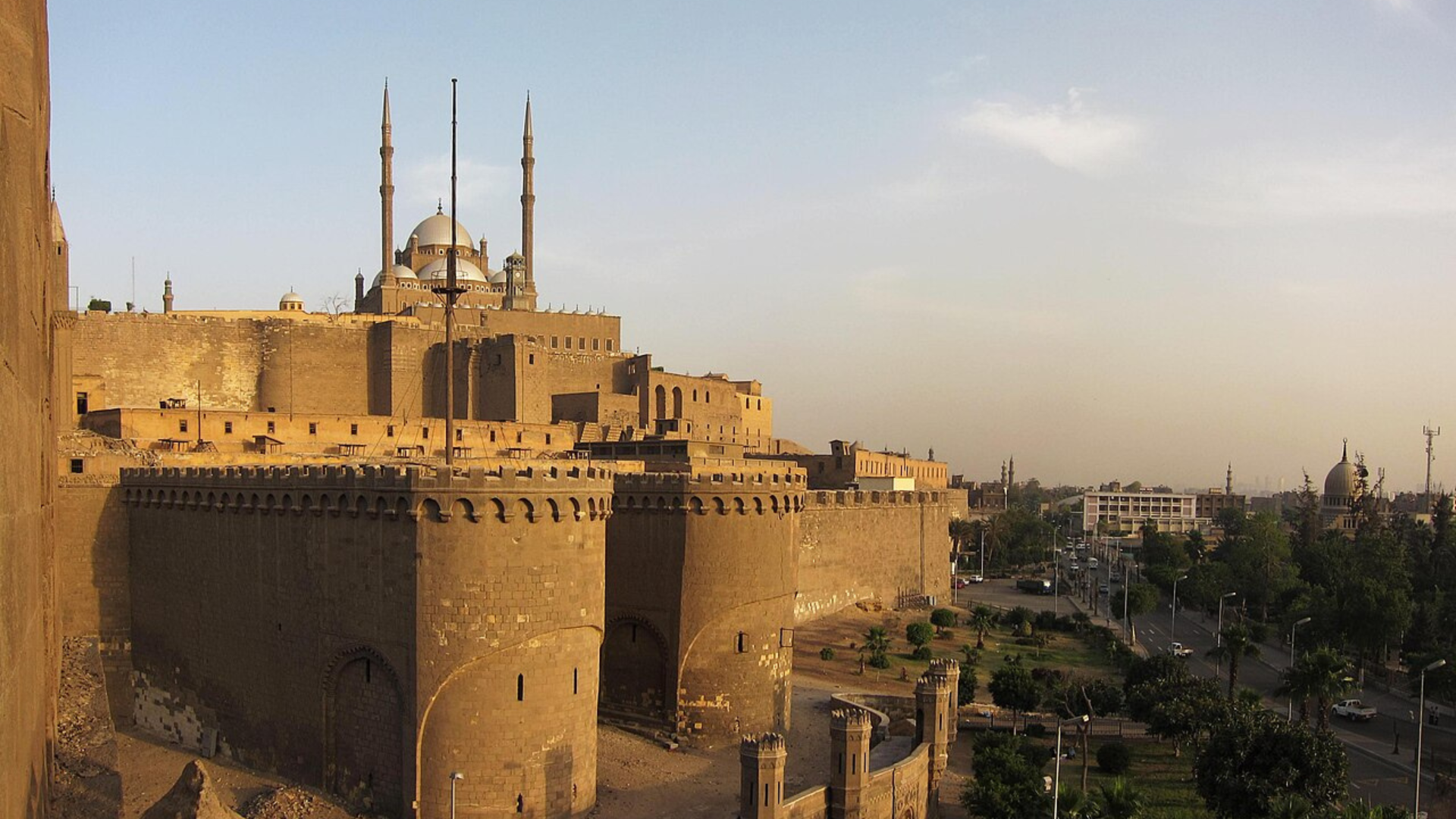
Perched majestically upon the Mokattam Hills, the Saladin Citadel (Qala'at Salah ad-Din) is a formidable testament to medieval Islamic military genius. Commissioned by the legendary leader Salah ad-Din between 1176 and 1183, this limestone fortress was designed to protect Cairo from Crusader threats. For nearly 700 years, it remained the epicenter of Egyptian power, serving as the seat of government from the Ayyubid era through to the 19th-century reign of the Muhammad Ali Dynasty.
As a UNESCO World Heritage site, the Citadel is not merely a fort; it is a sprawling architectural archive where the layers of Egypt’s Mamluk, Ottoman, and modern history are written in stone.
A Legacy of Empires
The Citadel’s silhouette is defined by the architectural contributions of its various rulers:
-
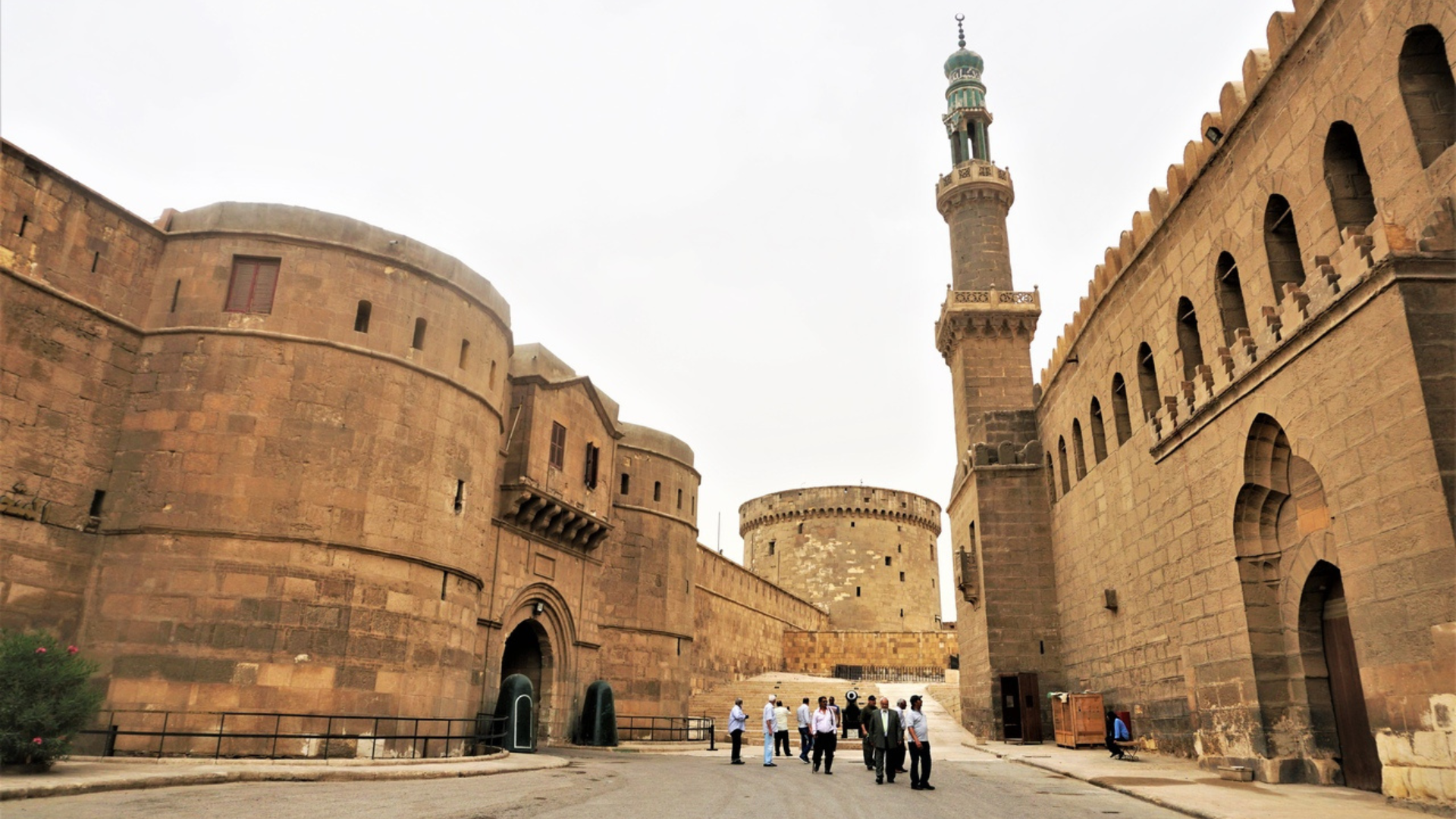
The Mamluk Influence: Explore the Al-Nasir Muhammad Mosque, built in 1318. Its unique glazed-tile minarets and grand hypostyle hall represent the pinnacle of Mamluk craftsmanship.
-
The Ottoman Splendor: The skyline is dominated by the Mosque of Muhammad Ali Pasha. Known as the "Alabaster Mosque," its twin needle-like minarets and cascading domes were inspired by the great mosques of Istanbul, representing the shift toward Ottoman aesthetic dominance in the 1800s.
-
The Royal Seat: The Gawhara Palace (Jewel Palace) offers a glimpse into the 19th-century royal court, featuring a fusion of Ottoman and European Baroque styles, complete with grand reception halls and a legendary gold-leaf clock.
Museums of the Citadel
Beyond its mosques, the complex houses a collection of specialized museums that tell the story of Egypt’s modern evolution:
-
The Military Museum: Housed in the former Harem Palaces, this museum traces the history of the Egyptian army from the Pharaohs to the present day.
-
The Police & Carriage Museums: These smaller, curated galleries offer unique insights into the social and logistical history of Cairo’s elite and their security forces.
The Best View in the Capital
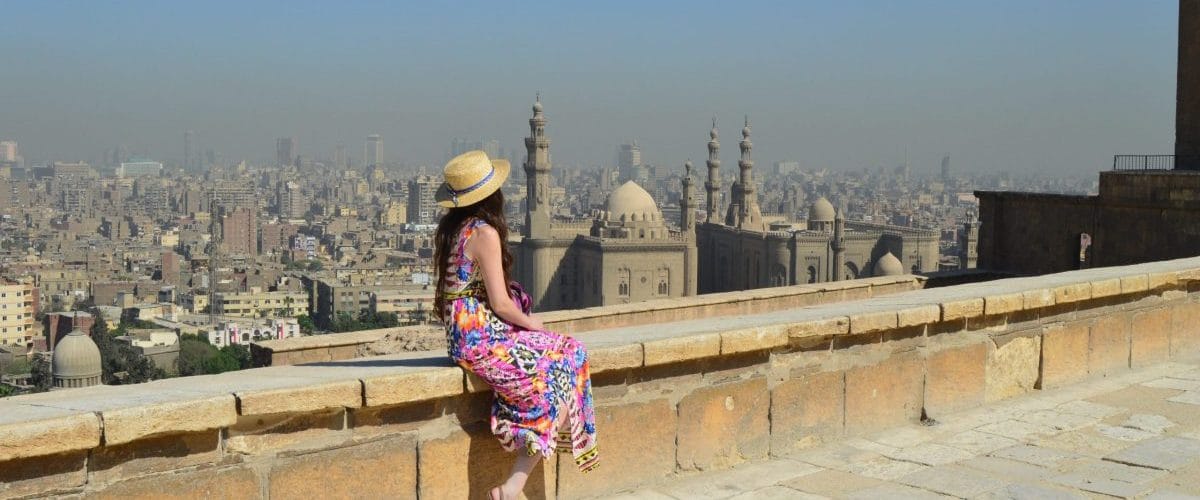
From the western ramparts of the Citadel, visitors are treated to an unparalleled panoramic vista. On a clear day, the view stretches across the minarets of Old Cairo and the winding Nile, all the way to the Great Pyramids of Giza on the horizon. It is here that the ancient, medieval, and modern worlds of Egypt converge in a single frame.
Expert Recommendations for a Top-Tier Visit
-
The Strategic Sequence: We recommend beginning your tour at the Mosque of Muhammad Ali before the morning haze lifts, providing the clearest views of the Cairo skyline. Following this, a private guide can lead you through the quieter, more ancient Al-Nasir Muhammad Mosque to appreciate its intricate geometry without the crowds.
-
The Afternoon Light: For photographers, the "Golden Hour" at the Citadel is unmatched. The limestone walls glow in the setting sun, and the call to prayer echoing from the hundreds of mosques in the valley below creates a truly immersive sensory experience.
-
Bespoke Logistics: The Citadel involves a fair amount of walking on inclined stone paths. Top Class Egypt Travel ensures a seamless arrival at the main gates via private vehicle, minimizing the climb and maximizing your time exploring the site’s interior treasures.
-
Traveler’s Perspective: To stand on the walls of the Citadel is to understand the defensive soul of Cairo. It is a place of power and prayer, where every stone tells a story of an empire that fought to keep the city at its feet.