



Pharaoh’s Island: The Citadel of the Four Frontiers
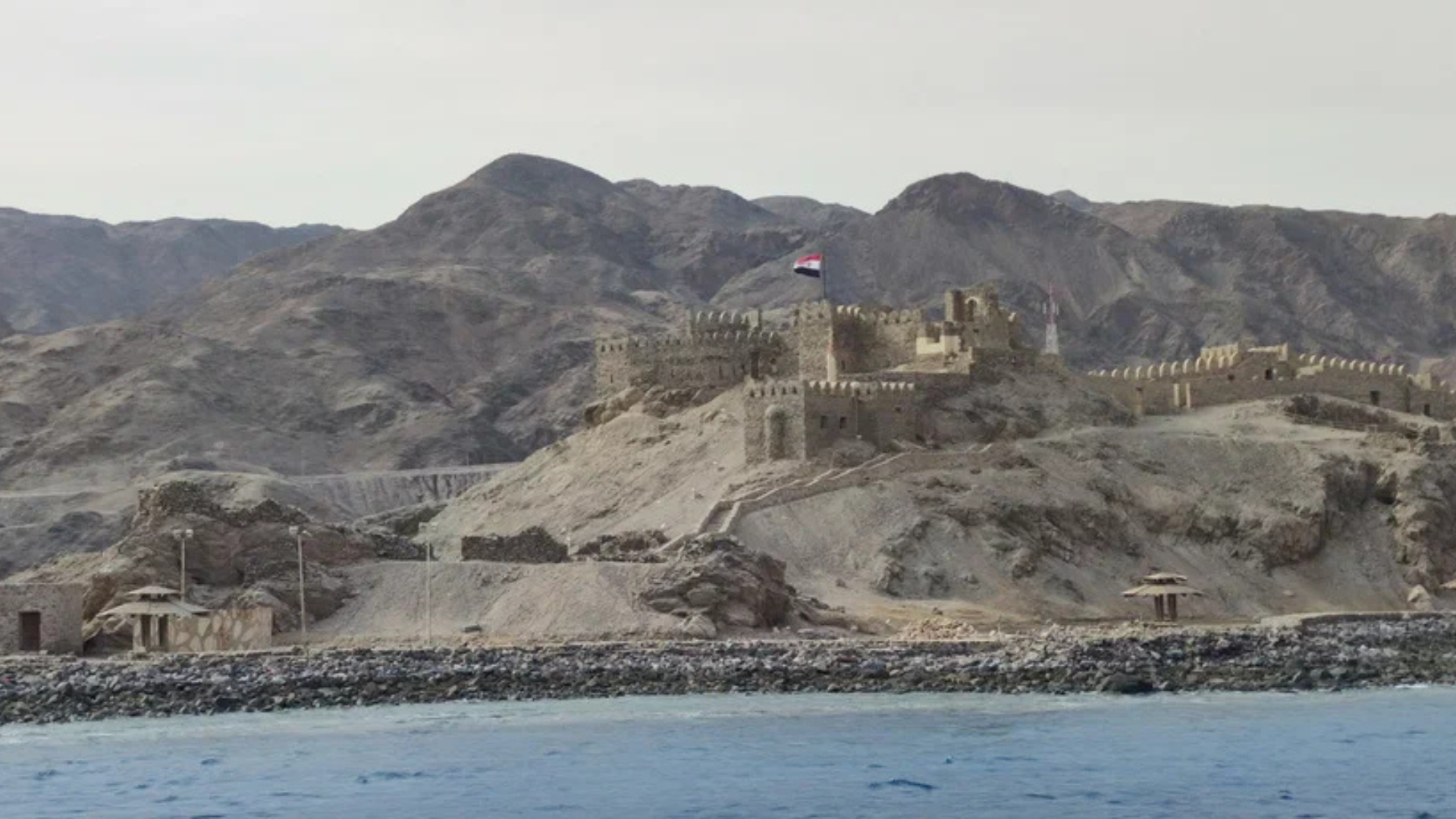
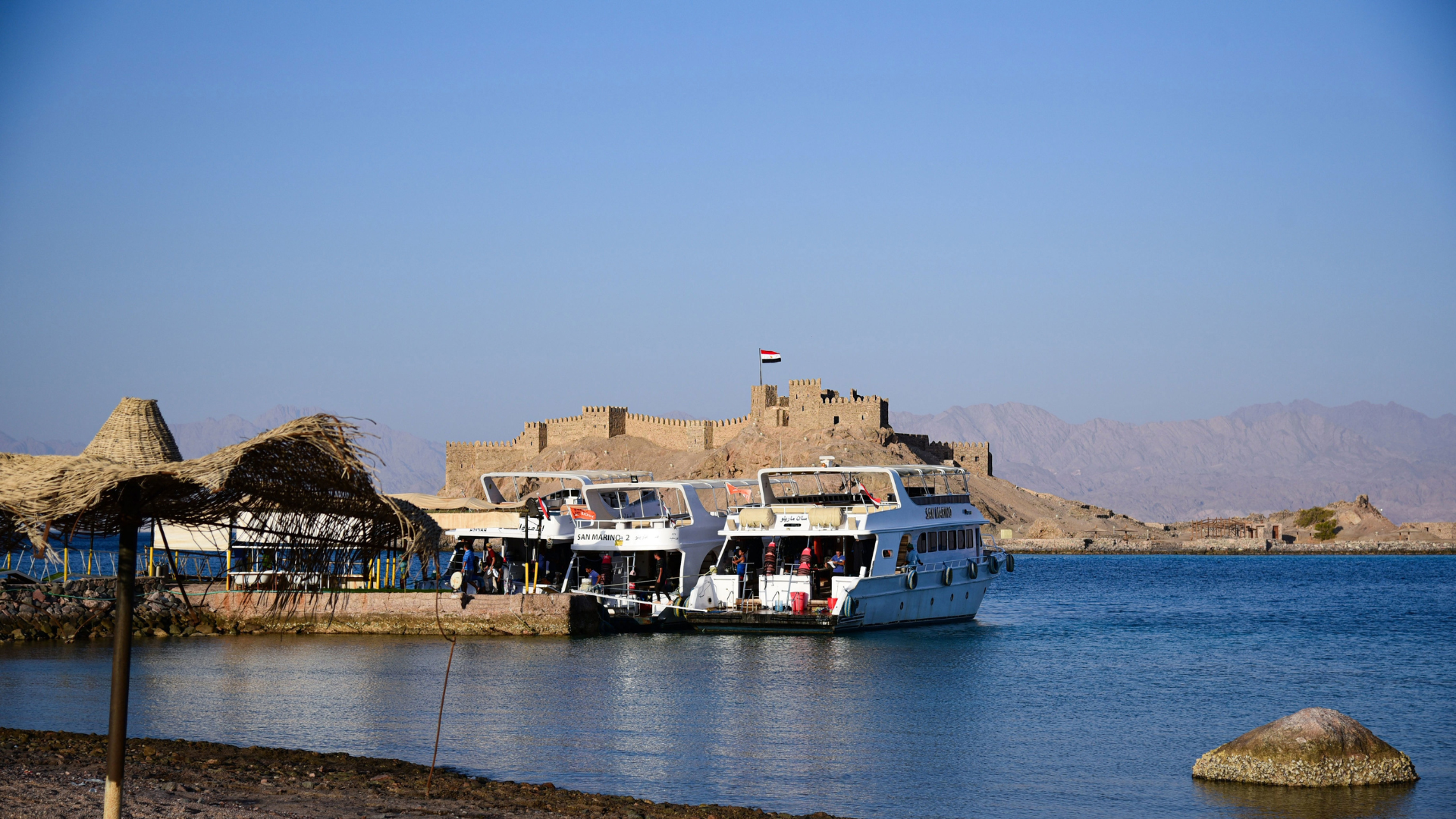
Emerging from the azure waters of the Gulf of Aqaba, Pharaoh’s Island (often called Coral Island) is home to one of Egypt's most strategically significant medieval landmarks. The island is crowned by the Saladin Fortress, a 12th-century stronghold originally established by Crusaders and later captured and expanded by the Sultan Saladin in 1170 CE to protect the pilgrim route to Mecca and the trade artery between Egypt and the Levant.
From the fortress battlements, you can experience a geographic phenomenon unique to this corner of the world: a clear view of four modern nations—Egypt, Saudi Arabia, Jordan, and Israel—all meeting at the horizon of the Red Sea.
The Fortress: A Masterclass in Medieval Defense
The Saladin Fortress is remarkably well-preserved, showcasing the ingenuity of Ayyubid military architecture.
-
Tactical Vantage Points: The fortress is divided into two main sections perched on northern and southern hills. Climbing to the highest towers reveals a 360-degree surveillance point that once controlled the narrow straits of the gulf.
-
Fortified Living: The interior ruins offer a detailed look at medieval life, containing guard rooms, a mosque, a water cistern, and the remains of living quarters, all designed to sustain a garrison during long naval sieges.
-
Impregnable Design: The strategic importance of the island is immediately apparent from its summit; the sheer rock face and fortified walls made it virtually impossible to conquer by naval attack during the Middle Ages.
Snorkeling and Marine Beauty
While the island is steeped in history, its shoreline is a paradise for marine enthusiasts, featuring pristine reefs that remain relatively untouched.
-
Accessible Coral: The reefs surrounding the island are easily reached directly from the boat or shore. The clear, calm waters provide visibility of vibrant soft corals and diverse reef fish, making it a favorite for snorkelers.
-
Glass-Bottom Excursions: For those who prefer to remain dry, glass-bottom boats [or similar] frequently orbit the island, providing a window into the rich biodiversity of the Aqaba Gulf without needing to dive.
-
The Landscape: The stark contrast between the weathered stone of the citadel and the deep turquoise of the sea creates a dramatic and rewarding backdrop for travel photography.
Expert Recommendations for a Top-Tier Visit
-
The Coastal Gateway: Most travelers access the island via a short boat ride from the shore near Taba. We recommend visiting as a day excursion from Taba Heights [or similar], where the boat crossing itself provides stunning views of the Sinai mountains.
-
The Best Light: To fully appreciate the four-country view, aim for a mid-morning visit when the air is clearest. The sun highlights the distinct colors of the Saudi Arabian coastline across the water.
-
Safety and Gear: If you plan on snorkeling, ensure you have a high-SPF reef-safe sunscreen. The reflection of the sun off the white limestone walls and the water can be very intense, even in the cooler months.
Traveler’s Perspective: Standing atop Pharaoh’s Island is a humbling experience. It is one of the few places on Earth where history, geography, and nature converge so tightly—a stone fortress in a sea of turquoise, guarding the meeting point of four worlds.