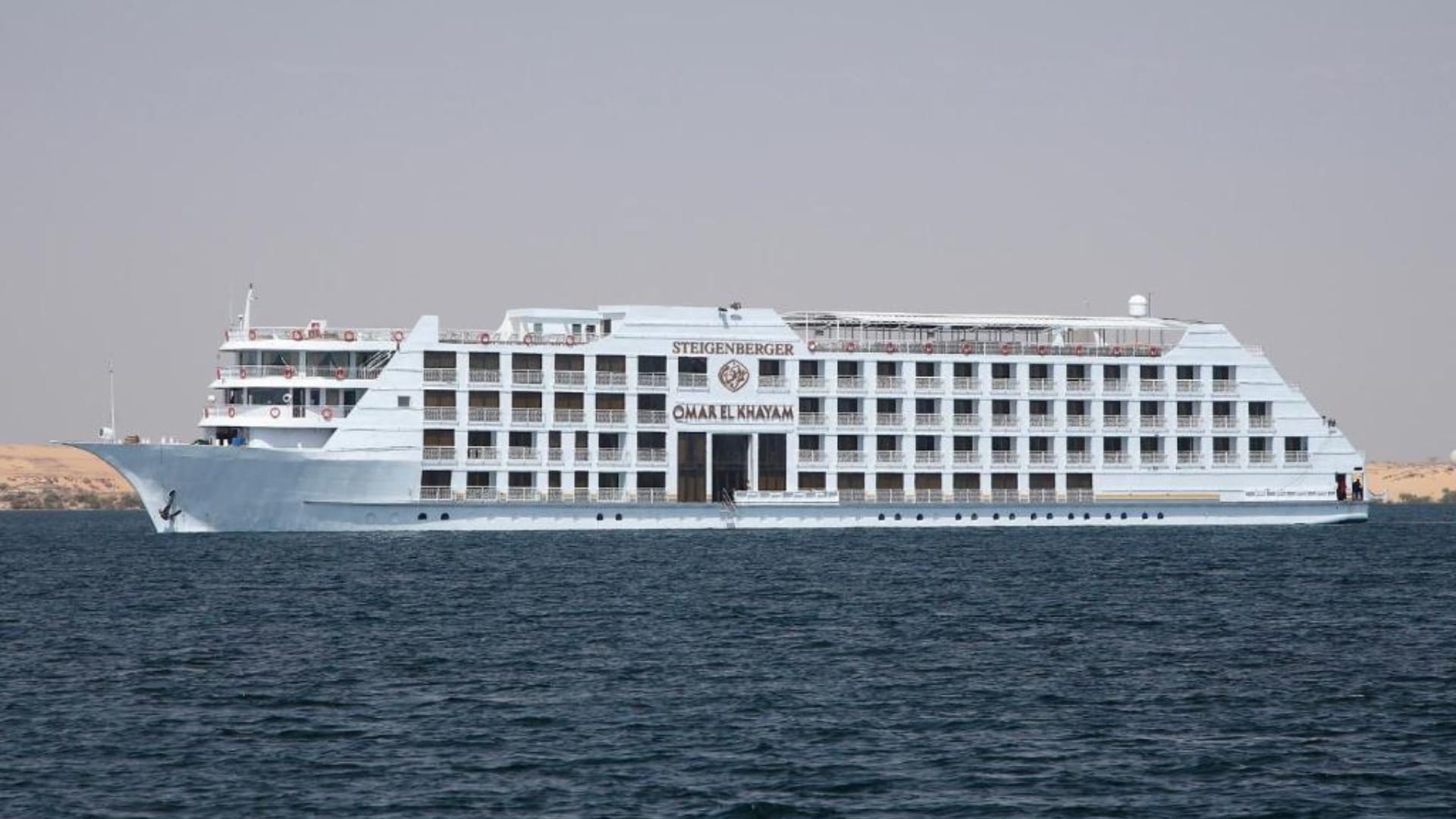
The Classic Nile Cruise: A Journey Through the Cradle of Civilization
A Nile cruise between Luxor and Aswan is the quintessential Egyptian odyssey, a timeless voyage that has enchanted travelers since the 19th-century "Golden Age" of exploration. To sail the Nile is to follow the same life-giving artery that sustained the Pharaohs, offering a front-row seat to 5,000 years of history. As the lush green banks and ancient golden temples glide past, the rhythm of the river creates an experience that is both deeply intellectual and profoundly restorative.
The Royal Route: A Gallery of Antiquity
The classic itinerary spans approximately 200 kilometers of the river’s most historic stretch. Whether sailing south from Luxor or north from Aswan, the journey is punctuated by the greatest monuments of the ancient world:
-
The Theban Grandeur: Begin or end in Luxor, home to the staggering Karnak Temple Complex and the Valley of the Kings, where the treasures of Tutankhamun and Ramses the Great were hidden for millennia.
-
The Temple of Horus (Edfu): One of the best-preserved temples in Egypt, this colossal Ptolemaic structure is dedicated to the falcon-headed god and is traditionally reached by a charming horse-carriage ride from the riverbank.
-
The Dual Temple of Kom Ombo: Architecturally unique, this temple is perfectly symmetrical, dedicated to both Sobek the Crocodile God and Horus the Elder. It sits on a dramatic bend in the river, offering spectacular views from the deck as you approach.
-
The Pearl of Egypt (Philae): In Aswan, a short boat ride leads to the romantic Philae Temple [or similar], a sanctuary of Isis that seems to float upon the waters of the Nile.
Life on the River: The Esna Lock and Beyond
One of the most captivating moments of the cruise is navigating the Esna Lock. Watching your vessel rise or fall with the water levels—often surrounded by local merchants skillfully "trading" Egyptian cotton towels from their rowboats—is a fascinating glimpse into the living engineering of the river.
Beyond the monuments, the true magic lies in the "in-between" moments: watching the sunset turn the Nile into liquid gold, observing farmers tilling the soil as they have for millennia, and the absolute silence of the desert night.
Choosing Your Vessel: From Floating Palaces to Private Sails
At Top Class Egypt Travel, we curate the cruise experience to match your personal style of luxury:
-
Five-Star Floating Hotels: These ships offer the ultimate in convenience and amenities, featuring swimming pools, spas, fine dining restaurants, and evening entertainment, all while you drift toward your next discovery.
-
Boutique Cruisers: For those seeking a more quiet and refined atmosphere, our boutique selections offer smaller passenger counts and highly personalized service.
-
The Dahabiya Experience: The pinnacle of Nile luxury. These traditional, twin-masted sailing vessels provide an exclusive, wind-powered journey. With typically only 5 to 10 cabins, a Dahabiya [or similar] allows for access to smaller islands and private shorelines that larger ships simply cannot reach.
Expert Recommendations for a Top-Tier Voyage
-
Seasonal Strategy: The most pleasant weather for a Nile cruise is from October to April. For a truly serene experience, consider sailing during the "shoulder" months of October or March.
-
The View from the Top: Spend your late afternoons on the Sundeck. This is the best vantage point for photography and for experiencing the dramatic shift in landscape from lush palm groves to the stark Saharan dunes.
-
Inclusive Excellence: All our cruises feature a private Egyptologist guide, ensuring that the stories carved into the temple walls are brought to life with expert historical context.
Traveler’s Perspective: To cruise the Nile is to step out of time. It is the only way to truly understand Egypt—not as a collection of separate sites, but as a single, continuous story written in stone and water.