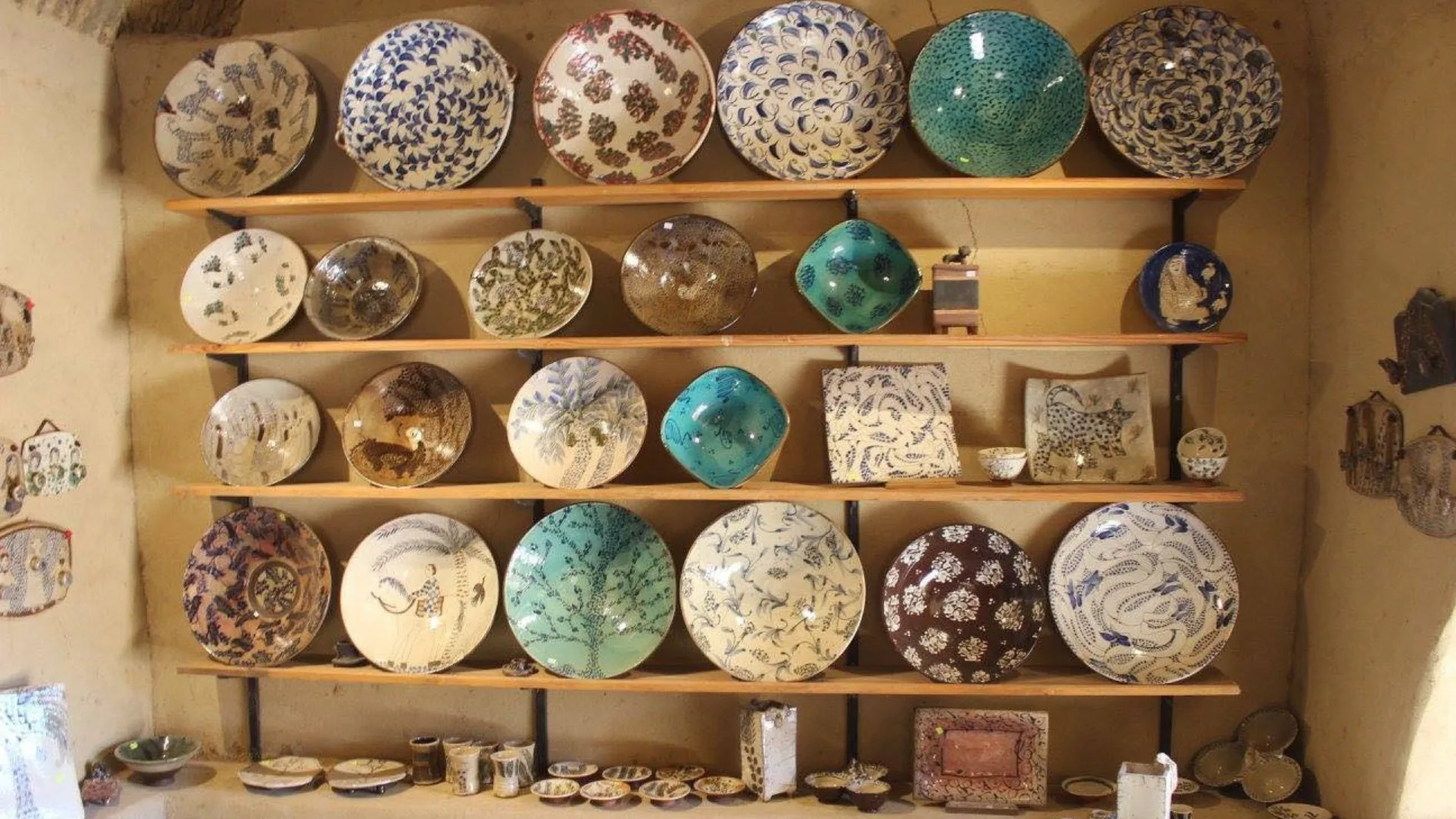
Tunis Village: The Artistic Oasis of Fayoum
Perched on a verdant hillside overlooking the expansive Lake Qarun, Tunis Village is a serene artistic enclave that feels worlds away from the bustle of the capital. Known throughout Egypt as the "Pottery Capital," this charming community is defined by its mud-brick architecture, lush greenery, and a creative spirit that has turned a quiet agricultural hamlet into a global center for ceramic arts and sustainable travel.
The village’s modern identity was forged in the 1980s by the late Swiss-Egyptian potter Evelyne Porret, whose pottery school empowered local residents to become master artisans, creating a unique "Tunis style" that is now celebrated in galleries worldwide.
The Heart of Ceramic Arts
Tunis Village is a living workshop where the rhythmic spinning of the potter’s wheel is the heartbeat of daily life.
-
Artisan Workshops: Wandering through the village lanes, you will find dozens of independent studios. Visitors are invited to watch master potters shape local clay into intricate plates, bowls, and vases, often decorated with whimsical motifs of birds, fish, and desert life.
-
The Pottery School: The original school remains a focal point for the community, continuing to train new generations of artists and maintaining the high standards of craftsmanship that define Fayoum pottery.
-
Hands-On Creativity: For those seeking an immersive experience, many workshops offer private lessons, allowing you to try your hand at the wheel under the guidance of a local master.
Architecture and Eco-Tourism
Tunis is a pioneer of "slow travel" in Egypt, emphasizing harmony with the natural environment.
-
Vernacular Design: The village is famous for its beautiful mud-brick architecture, inspired by the late Hassan Fathy. These eco-friendly structures stay naturally cool in the summer and warm in the winter, blending seamlessly into the golden Fayoum landscape.
-
Boutique Retreats: The village is home to several intimate boutique lodges [or similar], offering panoramic views of the lake and the desert beyond. These retreats provide a peaceful sanctuary for writers, artists, and travelers seeking quiet reflection.
-
The Fayoum Art Festival: Annually, the village transforms into an open-air gallery, attracting thousands of visitors and artists for a celebration of pottery, music, and traditional crafts.
Beyond the Village: Nature and Exploration
Tunis serves as the perfect base for exploring the rich natural and historical heritage of the Fayoum Oasis:
-
Lake Qarun: One of the world’s oldest natural lakes, perfect for sunset boat rides or observing the migratory birds that flock to its shores.
-
Bird-Watching & Cycling: The surrounding agricultural lands and desert fringes are ideal for morning bird-watching tours or exploring the oasis on two wheels.
-
Wadi El Rayan: A short drive from the village leads to the spectacular waterfalls of Wadi El Rayan [or similar] and the prehistoric wonders of Wadi El Hitan (Whale Valley).
Expert Recommendations for a Top-Tier Visit
-
The Weekend Escape: Tunis is an ideal weekend destination. We recommend arriving on a Thursday evening to enjoy the village’s tranquil atmosphere before the local art scene comes alive on Friday and Saturday.
-
The Golden Hour: The view from the village ridges at sunset is legendary. As the sun dips behind the desert hills, the waters of Lake Qarun turn a deep crimson, providing a spectacular backdrop for dinner at one of the village's garden restaurants.
-
Souvenir Hunting: This is the best place in Egypt to purchase high-quality, authentic ceramics. Many pieces are one-of-a-kind, and buying directly from the artisans ensures that you are supporting the local creative economy.
Traveler’s Perspective: Tunis Village is where the dust of the desert is transformed into art. It is a place that proves that with a little clay and a lot of heart, a community can create a paradise.