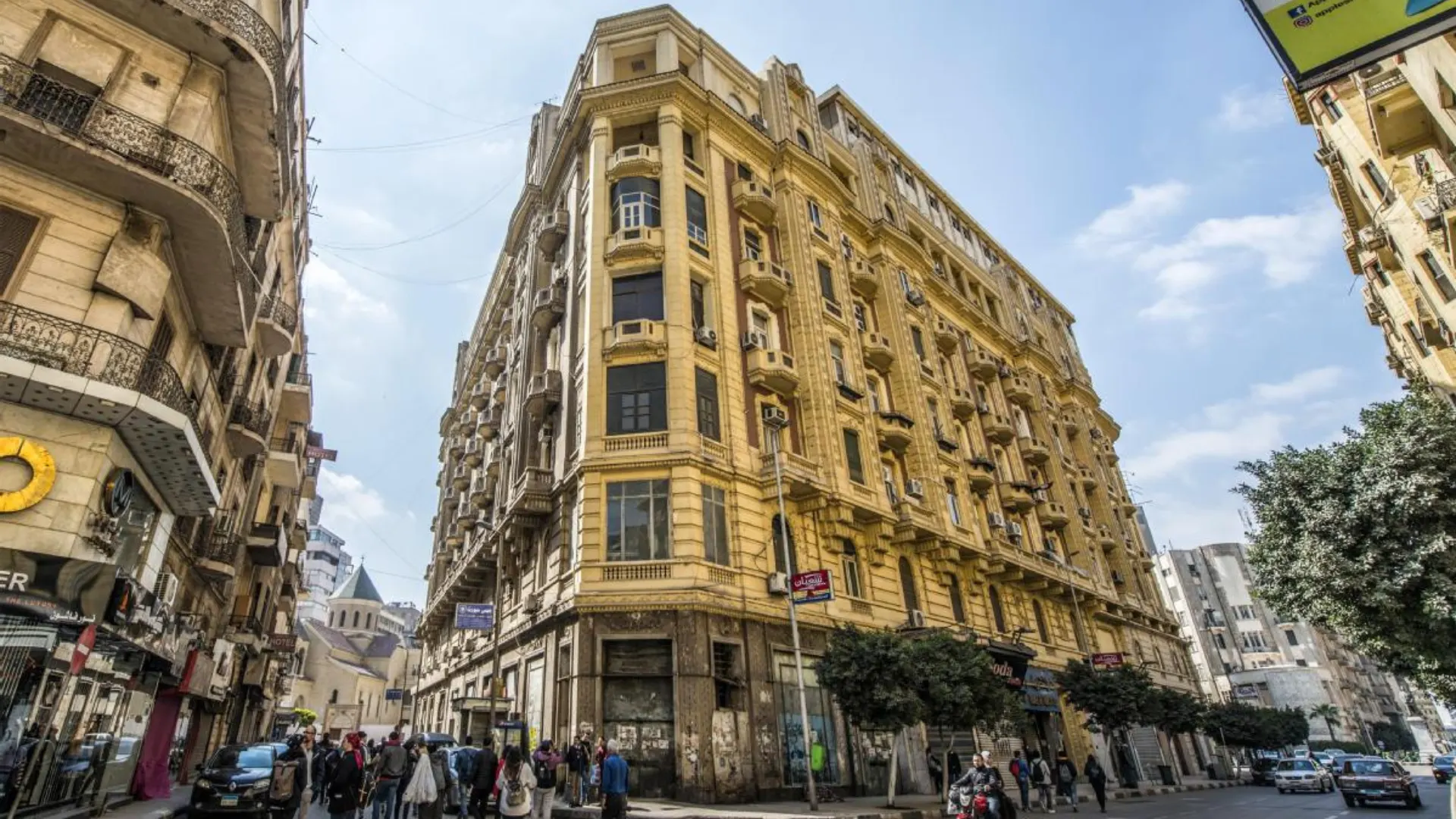
Downtown Cairo: The Belle Époque Heart of the Capital
Often referred to as Khedival Cairo or Wust El-Balad, Downtown Cairo is a grand architectural stage where the elegance of 19th-century Europe meets the high-energy pulse of modern Egypt. Conceptualized by Khedive Ismail in the 1860s, the district was designed to be a "Paris on the Nile," featuring wide, radiating boulevards and ornate facades that transformed Cairo into one of the most cosmopolitan cities in the world.
Today, Downtown is undergoing a magnificent cultural renaissance. As historic buildings are restored to their former glory, the area remains the intellectual, cinematic, and culinary soul of the city.
Architectural Splendor: Haussmann on the Nile
A walk through Downtown is a masterclass in architectural history, featuring a rare blend of Neo-Renaissance, Art Deco, and Neoclassical styles.
-
European Lineage: The district was designed by French and Italian architects who brought the "Haussmann" style of Paris to Cairo. Look up to see intricate wrought-iron balconies, stone gargoyles, and towering wooden doors that lead into grand marble foyers.
-
Tahrir Square: The symbolic heart of modern Egypt, anchored by the iconic Egyptian Museum [or similar] with its distinctive neoclassical red facade.
-
Cinematic Landmarks: Buildings like Cinema Radio and the Cosmopolitan Hotel serve as reminders of Cairo’s "Golden Age" of cinema and high society, while Talaat Harb Square remains the bustling epicenter of the district’s commercial life.
A Culinary and Social Crossroads
Downtown is Cairo’s premier "foodie" destination, where legendary institutions sit side-by-side with avant-garde galleries and trendy new bistros.
-
The Coffeehouse Culture: No visit is complete without a stop at an Ahwa (traditional coffeehouse). For a more European flair, the historic Groppi [or similar] offers a window into the 1920s, while the backstreets are filled with vibrant spots where artists and writers gather over mint tea.
-
Authentic Flavors: This is the best place in the city to sample Egypt’s culinary staples. From world-famous Koshari shops to street-side vendors serving the perfect Ful Medames, the flavors here are as authentic as the surroundings.
-
The Arts Renaissance: Many of the district’s grand apartments have been converted into contemporary art galleries and independent theaters, making it the center of Cairo's thriving "Indie" cultural scene.
The Experience: Walking Through History
Downtown is best experienced on foot, allowing you to catch the subtle details of its storied past:
-
Passageway Exploration: Hidden between the main boulevards are charming pedestrian passageways filled with bookshops, antique stores, and small boutiques.
-
Sunset on the Nile: Just a short walk from the center of Downtown is the Nile Corniche, where you can enjoy the river breeze as the sun sets behind the city's skyline.
-
Restoration in Progress: Be sure to notice the beautifully restored buildings along Alfy Street and Emad el-Din, where the intricate stonework is once again shining under the Cairo sun.
Expert Recommendations for a Top-Tier Visit
-
The Architectural Walk: We recommend a private, expert-led walking tour starting at Tahrir Square and winding toward Talaat Harb. A guide can point out the "hidden" histories behind the facades that even most locals miss.
-
Evening Vibrancy: Downtown truly comes alive after dark. The lighting on the Belle Époque buildings creates a romantic, nostalgic atmosphere perfect for an evening stroll followed by dinner at one of the area's classic rooftop restaurants.
-
Central Hub: Because of its central location, Downtown is the perfect base for exploring the Cairo Tower [or similar] or making a quick transit to Islamic Cairo.
Traveler’s Perspective: Downtown Cairo is where the layers of time are most visible. It is a place that feels simultaneously like a nostalgic film set and a vibrant, forward-looking metropolis—a true testament to Cairo’s enduring status as the "Mother of the World."